

Why your numbers matter
Most adults have access to more health data than ever before. Blood pressure readings at home. Cholesterol numbers in patient portals. Steps tracked by a watch. Sleep scores in an app.
The information is available. The confusion comes in knowing what to do with it.
Understanding basic health metrics does not require medical training. It requires knowing what ranges are considered healthy and recognizing when to have a conversation with your provider.
Blood pressure: what is normal?
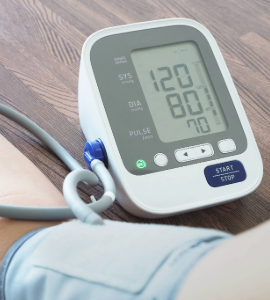
Blood pressure measures how hard your blood pushes against your artery walls. It is written as two numbers, such as 120/80.
According to the American Heart Association:
- Normal: Less than 120/80 mm Hg
- Elevated: 120–129 and less than 80
- High Blood Pressure (Hypertension) Stage 1: 130–139 or 80–89
- Stage 2: 140 or higher or 90 or higher
You can review these categories directly from the American Heart Association here:
https://www.heart.org/en/health-topics/high-blood-pressure/understanding-blood-pressure-readings
Blood pressure often rises gradually with age, but lifestyle habits such as physical activity, weight management, limiting sodium, and managing stress can make a meaningful difference.
If you track your readings at home, bring them to your provider so patterns can be evaluated properly.
Cholesterol: breaking down the basics
Cholesterol numbers can feel more complicated. Most lab reports include:
- Total cholesterol
- LDL cholesterol often called “bad” cholesterol
- HDL cholesterol often called “good” cholesterol
- Triglycerides
The CDC explains cholesterol levels and why they matter for heart health here:
https://www.cdc.gov/cholesterol/about/
In general, lower LDL and higher HDL levels are favorable. Elevated cholesterol does not cause symptoms, which is why routine testing matters.
The key is not to panic over one result. Your provider looks at trends over time, family history, and other risk factors before making recommendations.
Activity levels: how much is enough?
If you track steps or minutes of activity, you might wonder whether your efforts are enough.
The CDC recommends that adults get:
- At least 150 minutes of moderate-intensity activity per week
- Muscle-strengthening activities on two or more days per week
You can review the full adult physical activity guidelines here:
https://www.cdc.gov/physical-activity-basics/adding-adults/what-counts.html
That breaks down to about 30 minutes a day, five days a week. It does not need to happen all at once. Ten-minute sessions count.
Activity trackers can help you see patterns. The goal is not perfection. The goal is consistency over time.
Sleep: one of the most overlooked metrics
Sleep data has become easier to track, but it is often the first area people ignore.
The CDC recommends that adults get at least 7 hours of sleep per night for optimal health.
Sleep influences blood pressure, weight regulation, mood, and focus. If your sleep tracker consistently shows 5–6 hours per night, that is a signal worth addressing.
Small adjustments such as consistent bedtimes, limiting late screen use, and managing caffeine intake can improve sleep quality.
Using your data wisely
Health metrics are tools. They are not verdicts.
A slightly elevated number does not mean you have failed. It means you have information.
When you combine data with practical steps, you can make informed adjustments:
- Increase walking if blood pressure trends upward
- Adjust nutrition if cholesterol shifts
- Protect sleep if stress rises
- Strengthen social connection if mood dips
The NIH emphasizes that informed, evidence-based lifestyle choices can reduce risk for chronic disease and improve long-term outcomes.
How Vibrant Life Choices helps
This is where many people feel stuck. They have numbers but no clear plan.
A Wellness Navigator helps you:
- Understand which metrics matter most for you
- Identify small habit changes that influence those numbers
- Track trends without becoming overwhelmed
- Prepare thoughtful questions for medical appointments
- Stay accountable to practical next steps
Vibrant Life Choices is available to adults of all ages. You can connect with your Wellness Navigator remotely from the comfort of your home, making it easier to prioritize your health in a way that fits your schedule and lifestyle.
The goal is not to chase perfect numbers. The goal is to use information wisely and build steady habits that support long-term wellness.
A steady approach to better health
Start with one metric. Learn what it means. Track it calmly. Make one small adjustment.
Over time, those small changes influence the bigger picture.
Ready to make your health data work for you instead of overwhelm you?
Join Now: https://vibrantlifechoices.org